Behavioral Economics in Online Education
Why do some students binge-watch lectures while others drop out halfway through a course? Behavioral economics — the study of psychological factors in decision-making — is offering surprising answers that are reshaping online education.
Unlike traditional economics, behavioral economics recognizes that people don’t always act in their best interest. Online learners face distractions, procrastination, and choice overload — all classic behavioral pitfalls. Platforms are now using insights from this field to design more engaging and effective experiences.
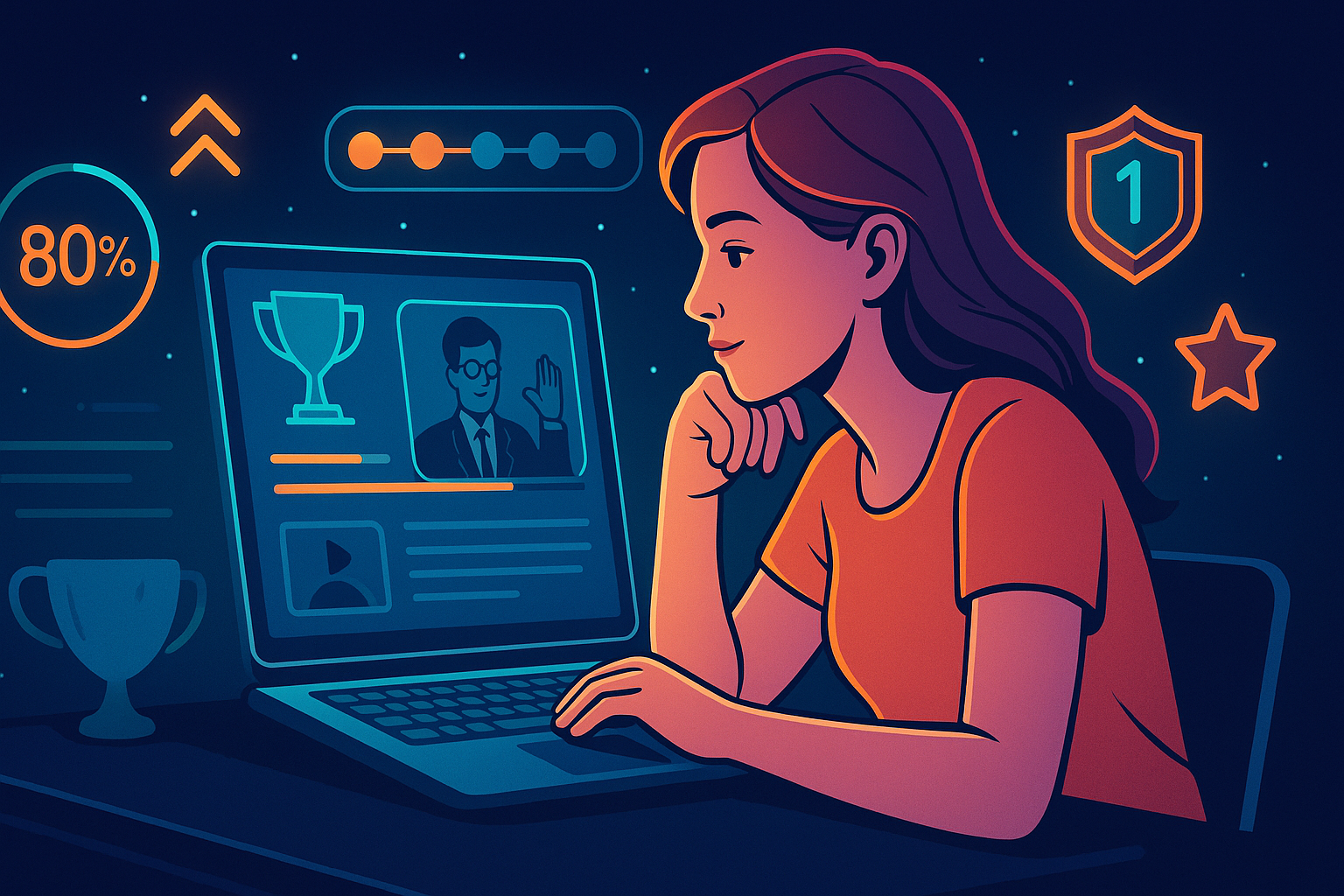
For instance, "nudges" — subtle design features — can drastically increase course completion rates. These include progress bars, default enrollment in study groups, or email reminders with personalized encouragement. Some platforms use loss aversion by framing dropped courses as missed opportunities rather than incomplete tasks.
Gamification taps into reward psychology, offering badges, leaderboards, or immediate feedback to keep students motivated. Even the timing of quiz releases is optimized based on cognitive load and attention span research.
But there’s more than tech wizardry at play. Behavioral economics also explores how cultural context, social comparison, and self-efficacy affect learning choices. A simple tweak — like allowing students to set their own deadlines — can dramatically boost performance, because it gives them a sense of control.
The ultimate goal is not manipulation, but support. By aligning educational design with how real humans think and behave, online learning becomes more inclusive, effective, and humane.
In the classroom of the future, behavioral economics isn’t just a subject — it’s part of the syllabus design itself.


