

Neuromorphic Computing and Brain-like Processing
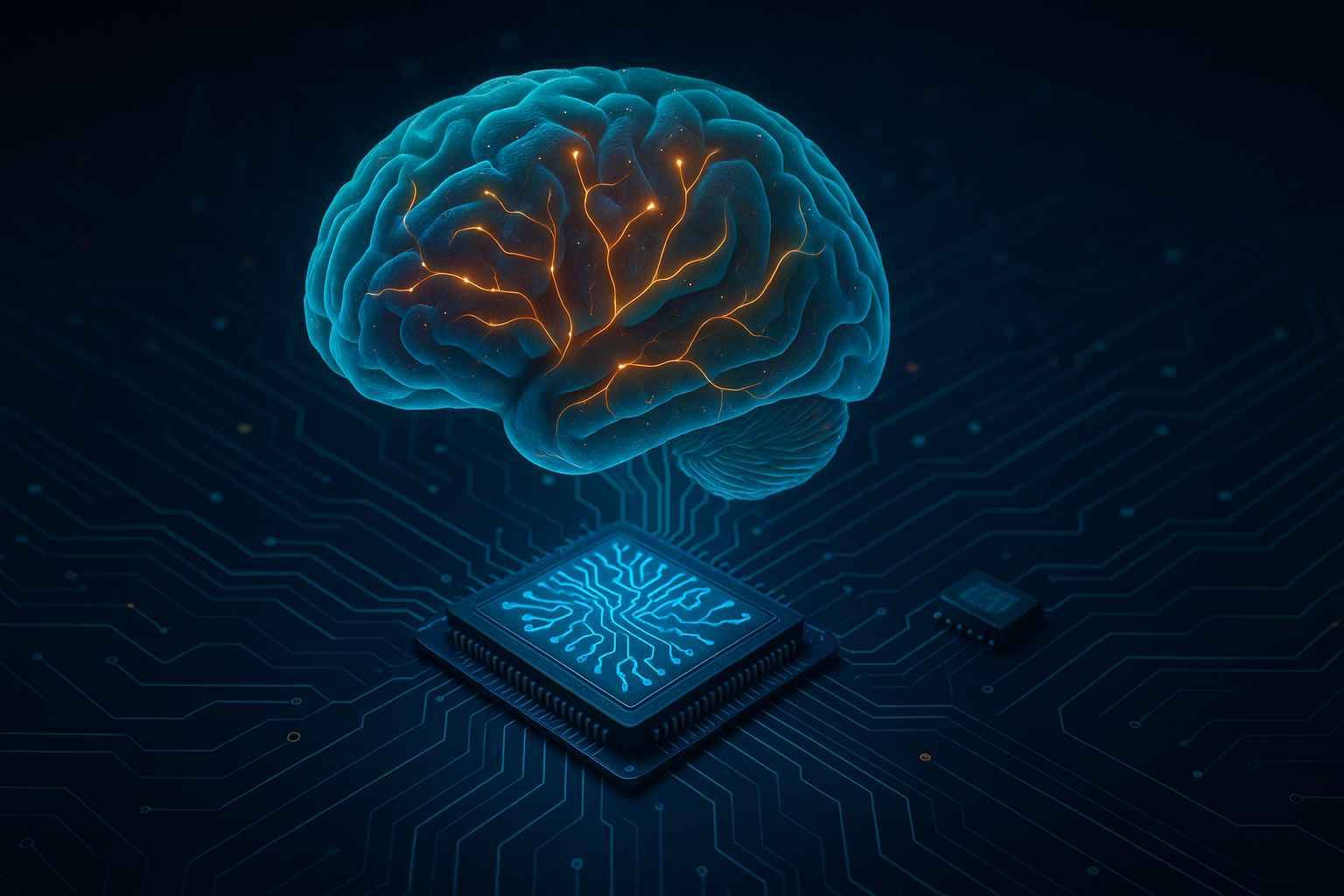
Imagine a computer that doesn’t just crunch numbers but thinks like a brain — processing information through electrical spikes, learning from experience, and operating with ultra-low power. That’s the promise of neuromorphic computing, a frontier technology inspired by the architecture of the human nervous system.
Traditional computers process information linearly, separating memory and computation. In contrast, neuromorphic systems mimic the parallel, distributed, and event-driven nature of the brain. They use spiking neural networks (SNNs), where artificial neurons communicate via electrical impulses — just like real neurons.
This architecture offers game-changing benefits. Neuromorphic chips like Intel’s Loihi or IBM’s TrueNorth can process sensory data (like vision or audio) with a fraction of the power used by conventional AI. They excel at edge computing, robotics, and real-time decision-making, where efficiency and adaptability are key.
One exciting application is in autonomous systems. A neuromorphic drone can react to its environment with biological-like reflexes, learning from new conditions without needing cloud support. In medical tech, neuromorphic sensors may help create more responsive prosthetics or brain-computer interfaces.
Yet challenges remain. Programming spiking networks is not intuitive, and tools for training them are still evolving. Unlike deep learning, there’s no one-size-fits-all framework for neuromorphic systems.
Still, the future looks electric. As we push the limits of Moore’s Law and AI's hunger for energy grows, neuromorphic computing offers a path toward intelligence that’s not only powerful — but profoundly efficient. The brain, it turns out, may be the best blueprint we’ve ever had.


