

The Human Connectome: Mapping the Mind Like a Map
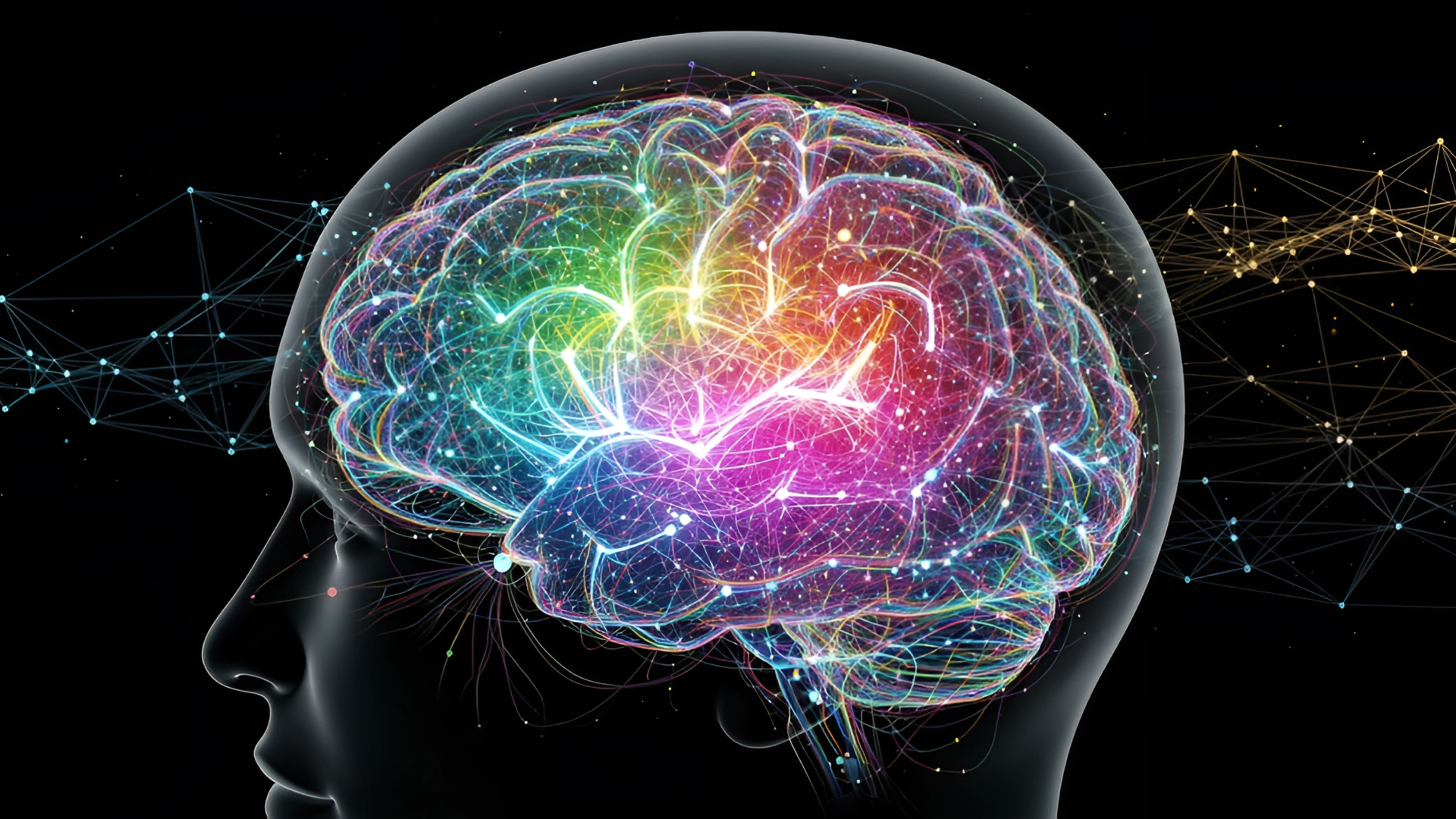
What if we could chart the human brain the way we map a city? Roads, intersections, detours — not of asphalt, but of thoughts, emotions, and memories. That’s the vision behind the Human Connectome Project (HCP), a scientific initiative aiming to create a comprehensive wiring diagram of the human brain.
Our brain contains about 86 billion neurons connected by over 100 trillion synapses. The connectome is essentially a detailed map of these connections — a neural GPS that can help us understand how cognition, behavior, and mental illness emerge. Using high-resolution MRI and diffusion imaging, researchers are building 3D models showing how information flows across brain regions.
This isn't just academic curiosity. Mapping the connectome can illuminate how diseases like Alzheimer’s, depression, or schizophrenia disrupt normal brain pathways. It could even aid in designing personalized therapies, brain-computer interfaces, or AI systems that mimic human cognition.
But mapping a single brain is no small feat. Each person's connectome is unique, shaped by genetics, environment, and experience. It's like trying to map every city in the world, with roads constantly under construction.
Yet progress is happening fast. In 2024, researchers completed the most detailed map of a fruit fly brain — all 3,016 neurons and 548,000 synapses. Scaling this to human brains is the next frontier.
The connectome is more than a scientific project; it’s a philosophical one. As we map the mind, we confront questions about identity, consciousness, and what it means to be human.


