

2D Materials Beyond Graphene
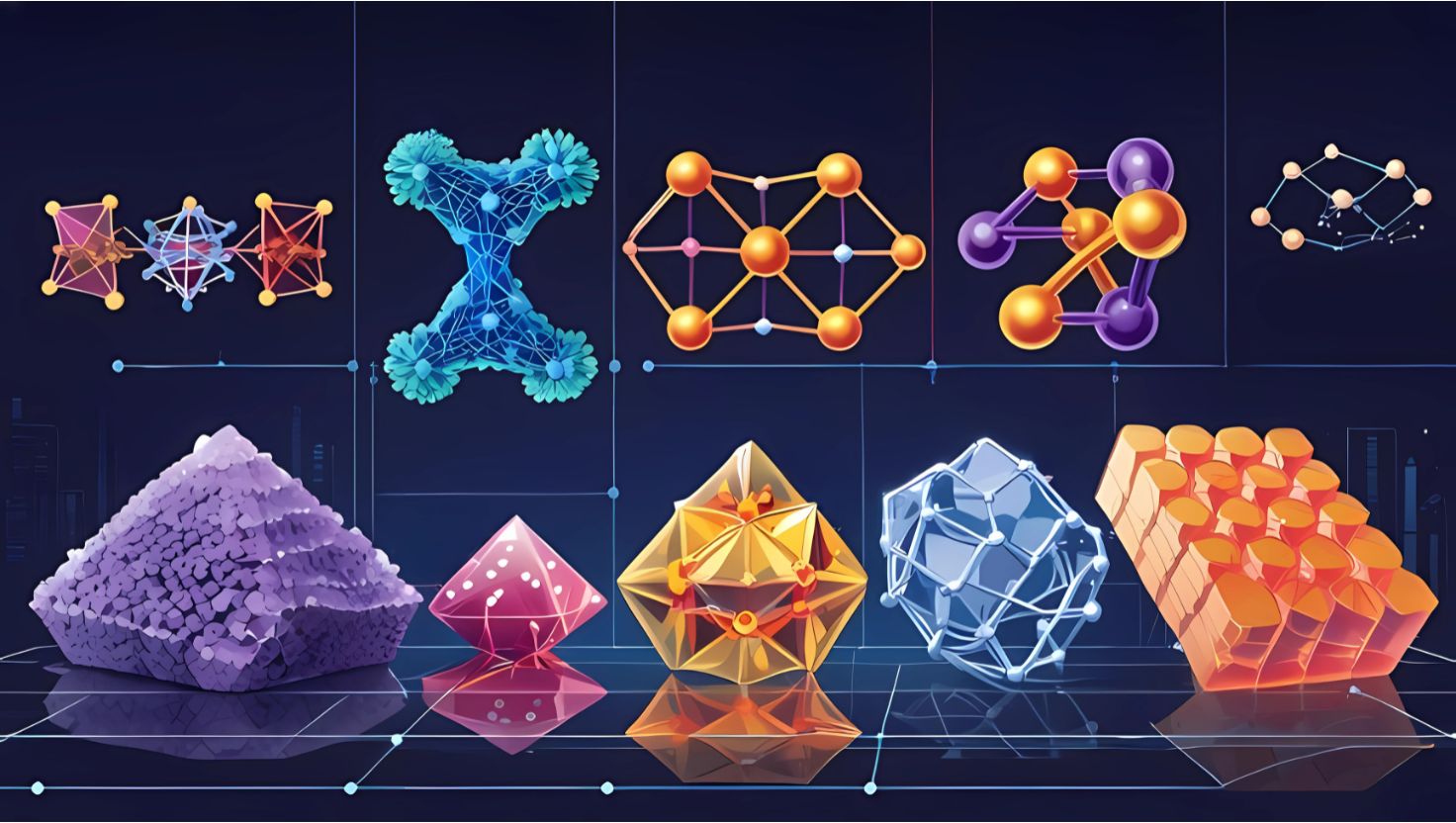
Graphene may have stolen the spotlight as the first true 2D material, but it’s just the beginning. A new class of two-dimensional (2D) materials, each just one atom thick, is now expanding the possibilities of electronics, energy, and quantum technologies.
Graphene dazzled the world with its strength, flexibility, and conductivity. But scientists quickly realized that it lacked a band gap, limiting its use in semiconductors. Enter beyond-graphene materials like transition metal dichalcogenides (TMDs) (e.g., MoS₂), hexagonal boron nitride (h-BN), and phosphorene.
Each has unique properties. TMDs can act as semiconductors with tunable band gaps — perfect for next-gen transistors. h-BN is an excellent insulator, often used alongside graphene to create ultra-thin electronic circuits. Phosphorene, derived from black phosphorus, offers high mobility and flexibility, though it's still fragile in ambient conditions.
Together, these 2D materials form the building blocks of van der Waals heterostructures, where sheets are stacked like LEGO bricks to create bespoke electronics at the nanoscale. These could lead to ultrathin solar panels, quantum sensors, and super-fast chips.
In energy storage, some 2D materials promise faster charging and longer-lasting batteries. In optics, they enable ultra-sensitive photodetectors and flexible displays.
Despite rapid progress, challenges like large-scale production, stability, and integration into current technology remain. But the potential is enormous.
As the post-silicon era looms, the race is on to develop a new generation of materials — atom by atom.


