

4D Printing: Structures That Evolve Over Time
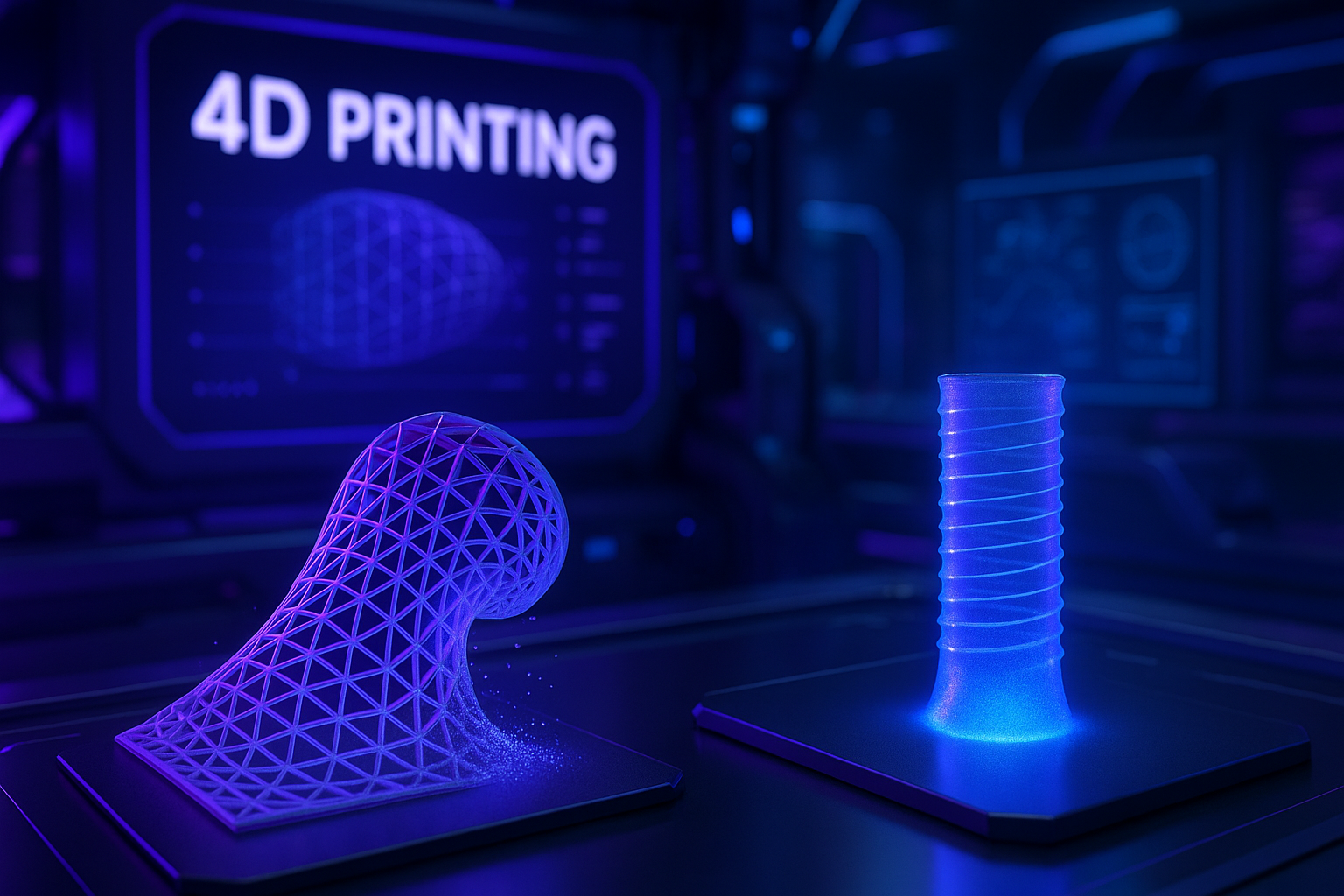
3D printing revolutionized manufacturing by allowing objects to be built layer by layer. Now, 4D printing adds a new dimension: time. It enables materials to transform shape or function after printing, in response to external stimuli like heat, moisture, or light.
Imagine a flat sheet that folds into a complex structure when exposed to water — or a pipe that expands automatically at a certain temperature. These aren't science fiction; they’re programmable materials brought to life by 4D printing.
The key lies in smart materials — shape-memory polymers, hydrogels, and composites that react predictably to environmental changes. Combined with precise 3D printing techniques, engineers can design structures that change without motors or electronics.
Applications are vast. In biomedicine, implants could adjust to body temperature or shape post-surgery. In aerospace, components might self-deploy once in orbit. Even clothing could adapt to weather conditions.
4D printing also holds promise for construction and disaster response, enabling structures to self-assemble or morph based on needs. For instance, emergency shelters that erect themselves when exposed to rain.
While still in early stages, 4D printing is blurring the boundary between material and machine. It offers a future where things are not just made — but taught how to behave.


