

AI and the Evolution of Language Patterns
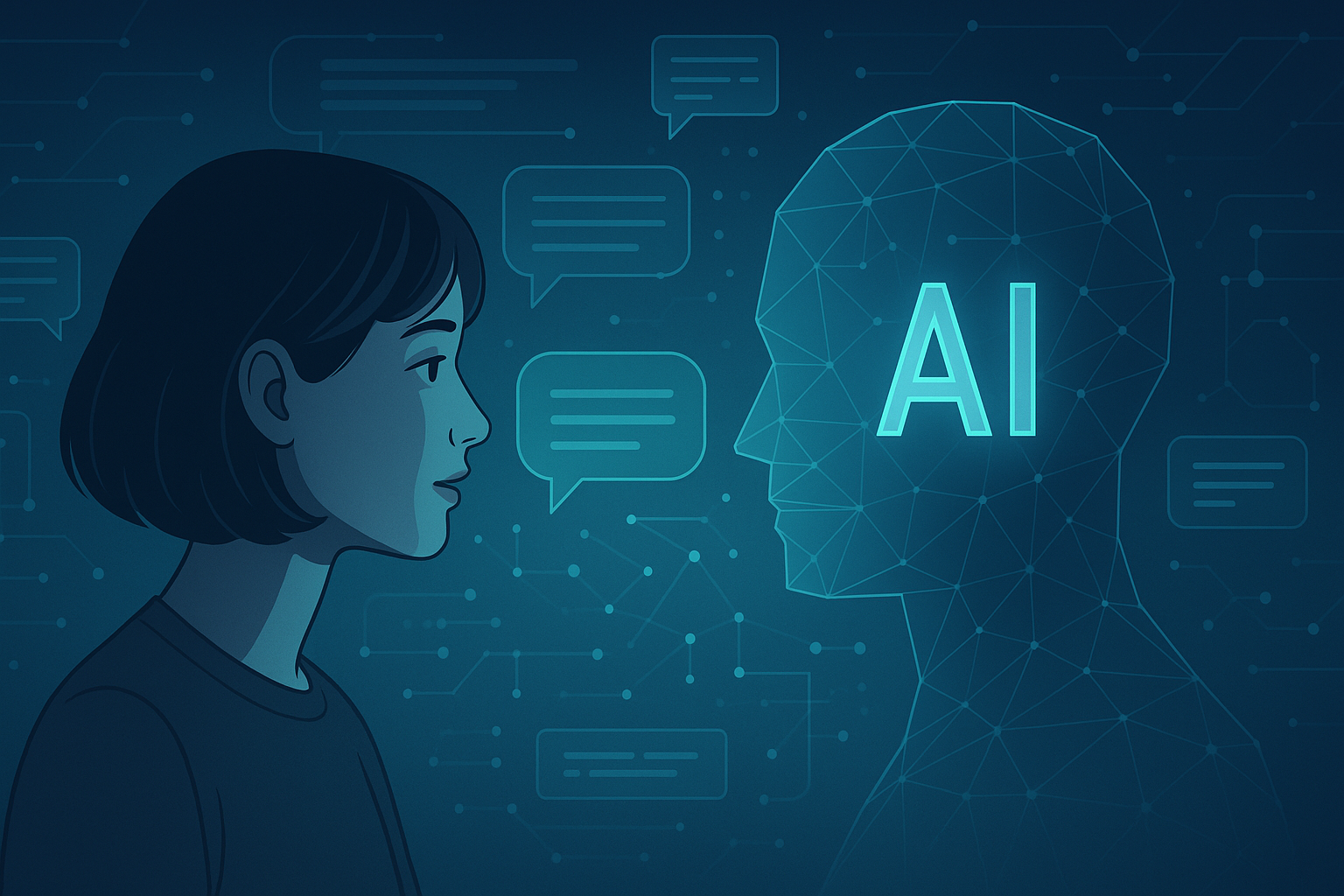
Language is a living system — dynamic, ever-evolving, and now increasingly shaped by artificial intelligence. From autocomplete suggestions to AI-generated prose, machines are beginning to influence how we communicate. But this influence is not one-way; our interactions with AI are also changing language itself.
Large language models like GPT and translation engines like Google Translate are trained on massive datasets, reflecting real-world usage across dialects, slang, and even typos. But in processing and predicting text, these models can subtly reinforce dominant language norms, simplify grammar, or even invent new expressions.
For instance, the rise of digital shorthand ("u" instead of "you") and emoji-enhanced communication has already altered syntax and tone in casual writing. Now, with AI tools embedded in messaging apps, academic writing, and news platforms, we're seeing an acceleration of language convergence — and sometimes, homogenization.
Yet there’s also a creative upside. AI can uncover latent patterns in historical texts, simulate extinct languages, or generate new poetic forms. Researchers use AI to map how slang emerges, how syntax evolves, or how multilingual speakers code-switch in real time.
Still, concerns abound. Will AI flatten linguistic diversity? Will regional expressions vanish under algorithmic preference? Or could it actually help preserve endangered languages through digital revitalization?
In the end, AI is not just reflecting how we speak — it’s becoming a co-author in how language evolves. In this feedback loop between humans and machines, the story of language is being rewritten faster than ever.


