Archives in the Cloud: Decentralized History Preservation
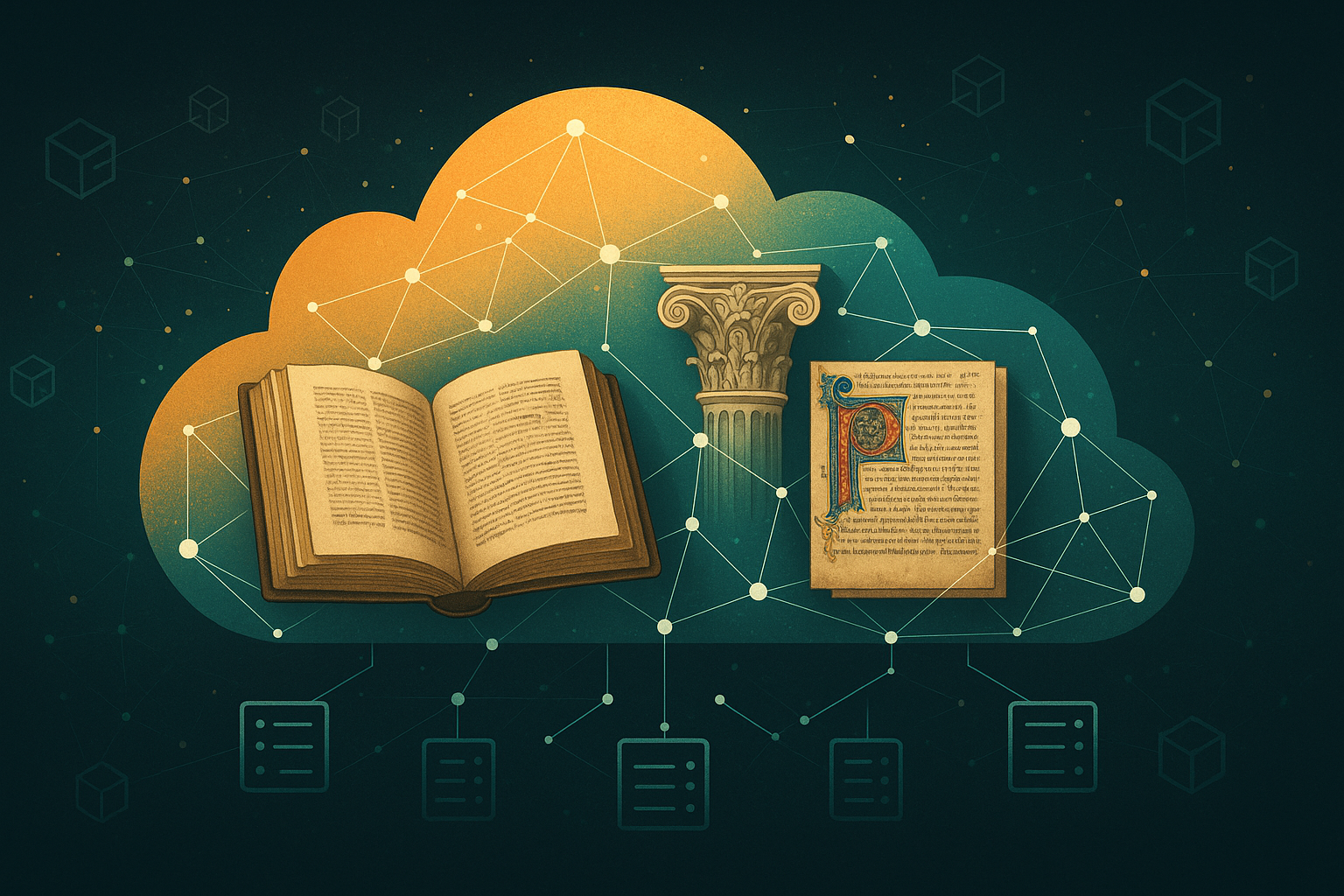
The great libraries of the past were vulnerable — to fire, war, decay. Today, the challenge of preserving humanity’s records persists, but the tools have changed. Enter decentralized digital archiving: a movement to safeguard history in the cloud, spread across the globe.
Unlike traditional archives stored in a single location, decentralized systems use blockchain, peer-to-peer networks, and distributed databases to ensure that no single point of failure can erase a document. Think of it as a history vault backed up across thousands of nodes — resilient, redundant, and accessible.
Projects like Arweave, the Internet Archive, and Filecoin are pioneering this approach. They aim to store everything from medieval manuscripts to present-day tweets, creating tamper-proof records immune to censorship or disaster. Historians are already using these tools to preserve endangered cultural data from war zones, collapsing regimes, or vanishing websites.
This isn't just about durability. Decentralized archives can democratize access, letting scholars, students, and communities engage with their heritage without gatekeepers. They also support version control, showing how historical narratives evolve over time.
Of course, challenges remain. Metadata integrity, ethical curation, and digital decay (yes, even bits rot!) need constant oversight. And not every document belongs on a blockchain — some records require privacy, not permanence.
Still, decentralized archiving represents a paradigm shift. It’s not just storing the past — it’s future-proofing it. In a world where knowledge is fragile and misinformation rampant, keeping history safe in the cloud may be one of the most revolutionary acts of all.


