

Chaos Theory in Ecosystem Modeling
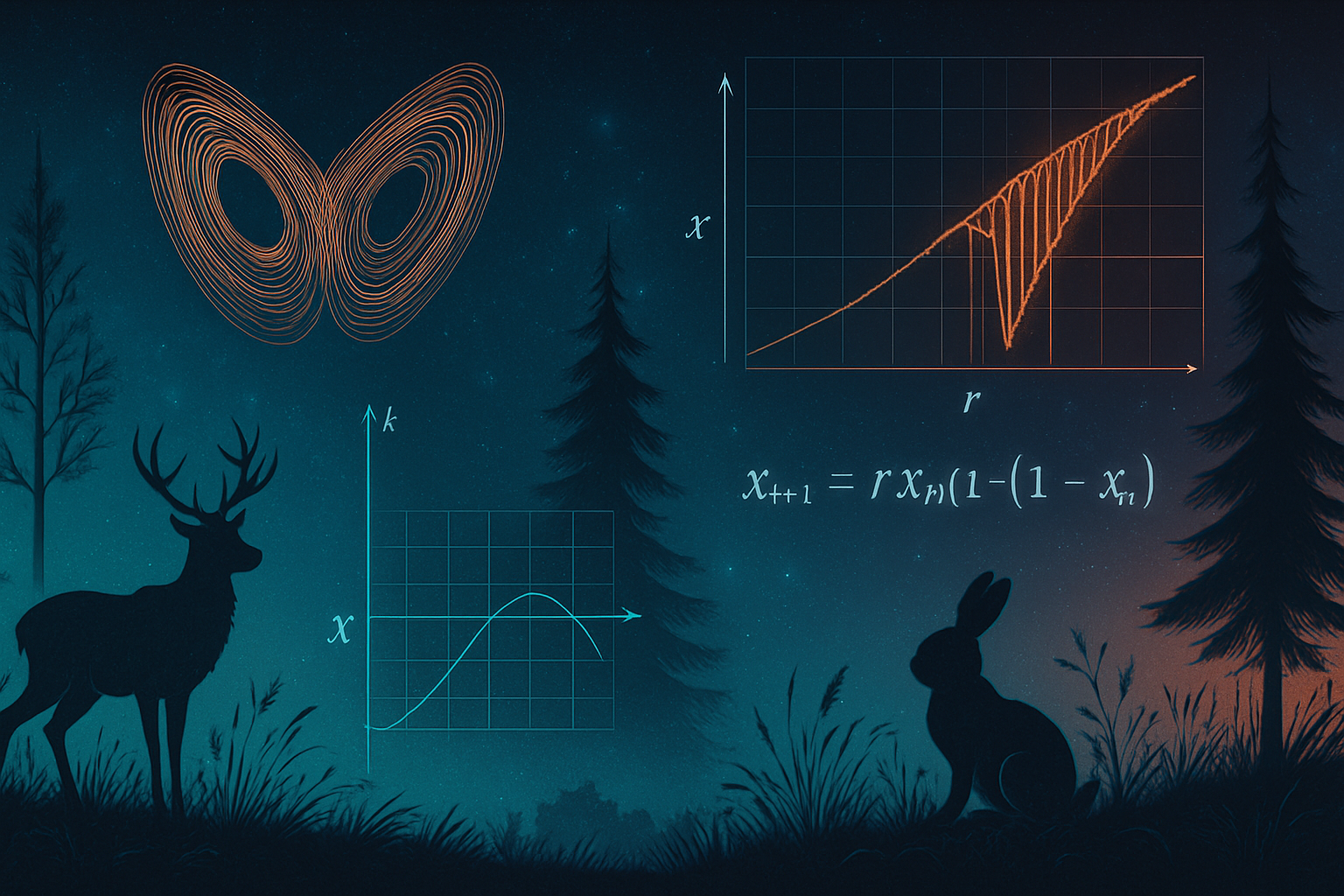
Ecosystems are complex, nonlinear systems where small changes can lead to dramatic outcomes. This is where chaos theory comes in. Originally developed in physics and meteorology, chaos theory studies how deterministic systems can behave unpredictably due to their sensitivity to initial conditions—the so-called "butterfly effect."
In ecological modeling, chaos theory helps scientists understand population dynamics, predator-prey interactions, and the spread of invasive species. For instance, simple models like the logistic map can exhibit chaotic behavior under certain conditions, mimicking real-world ecological fluctuations.
Chaos doesn't mean randomness—it means predictability is limited. This insight is crucial when managing natural resources or forecasting ecosystem collapses. By embracing the mathematical language of chaos, ecologists gain better tools for conservation and policy-making.
As climate change accelerates and biodiversity declines, models that account for chaotic dynamics become increasingly vital. They allow us to simulate possible futures and make informed, adaptive decisions. In a world of growing uncertainty, chaos theory offers a structured way to confront ecological unpredictability.


