

Microbial Ecosystems Beneath Antarctic Ice
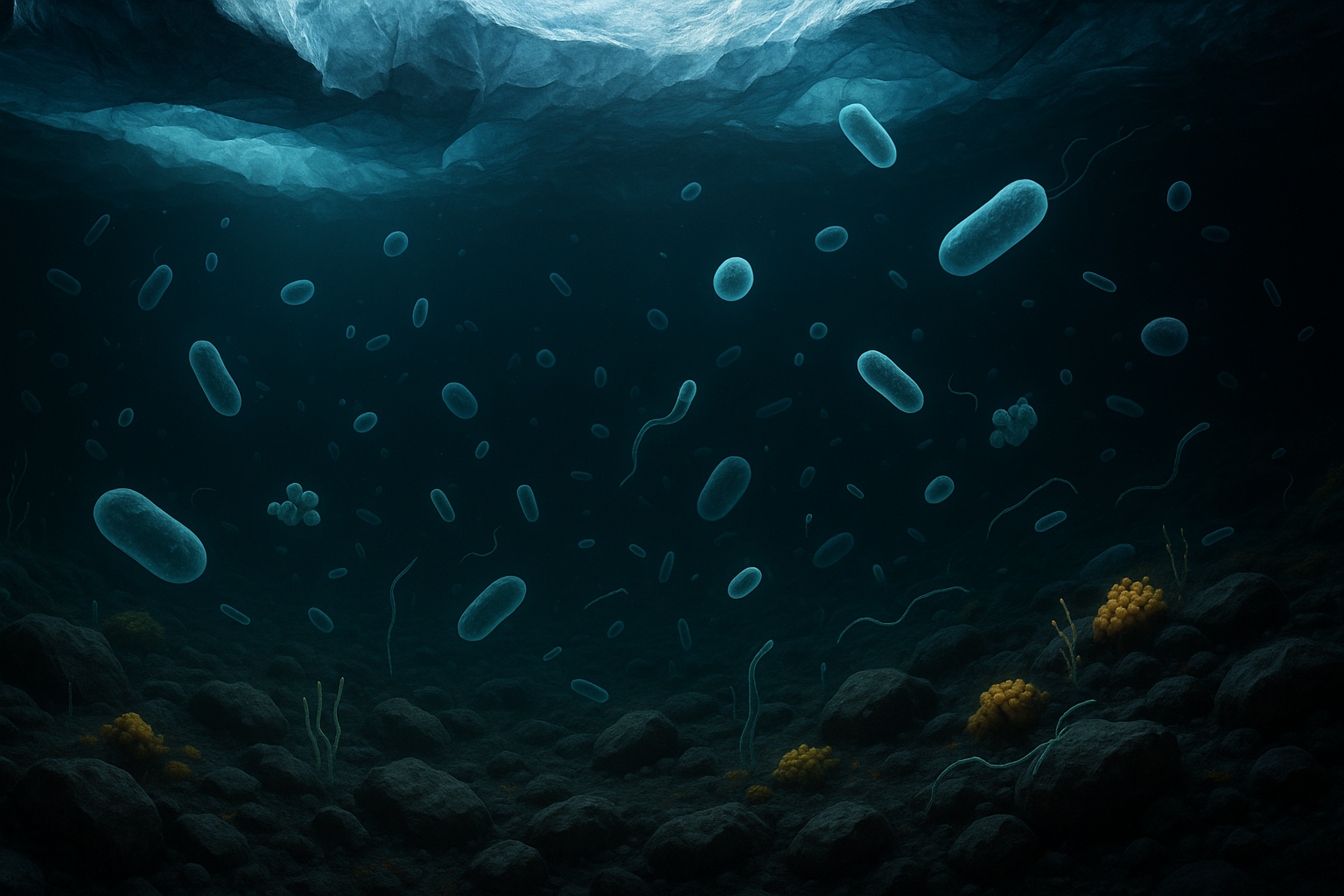
Beneath Antarctica’s miles-thick ice sheets lies a secret world teeming with microbial life — a realm untouched by sunlight for millions of years. Far from barren, these subglacial lakes and sediments host ecosystems that may hold clues to life’s resilience — and even to extraterrestrial biology.
Lake Vostok, Lake Whillans, and other hidden lakes have been carefully drilled and sampled in recent decades. What researchers found was astonishing: microbial communities thriving in near-freezing, oxygen-poor, high-pressure conditions — fueled not by sunlight, but by chemical reactions between rock, water, and ice.
These microbes metabolize iron, sulfur, and even methane — a process called chemosynthesis, similar to life found around deep-sea hydrothermal vents. Some microbes have been isolated for tens of thousands of years, evolving in complete darkness, yet managing to sustain a functioning food web.
This discovery reshapes our understanding of what life needs to survive. It also fuels the search for life on icy moons like Europa or Enceladus, where similar sub-ice oceans may exist. If microbes can live in Antarctica’s depths, why not under alien ice?
Studying these ecosystems isn’t easy. Drilling must avoid contamination, and sample collection is limited. But technological advances — like clean drilling systems and in-situ DNA sequencing — are opening new windows into this hidden biosphere.
Climate change adds urgency. As glaciers melt, these once-isolated ecosystems may be released into the ocean, carrying unknown microbes and influencing global biogeochemistry.
The world beneath the ice is no longer a mystery — it’s a microbial frontier. And it may be one of the last untouched ecosystems on Earth.


