

Permafrost and the Ancient Virus Threat
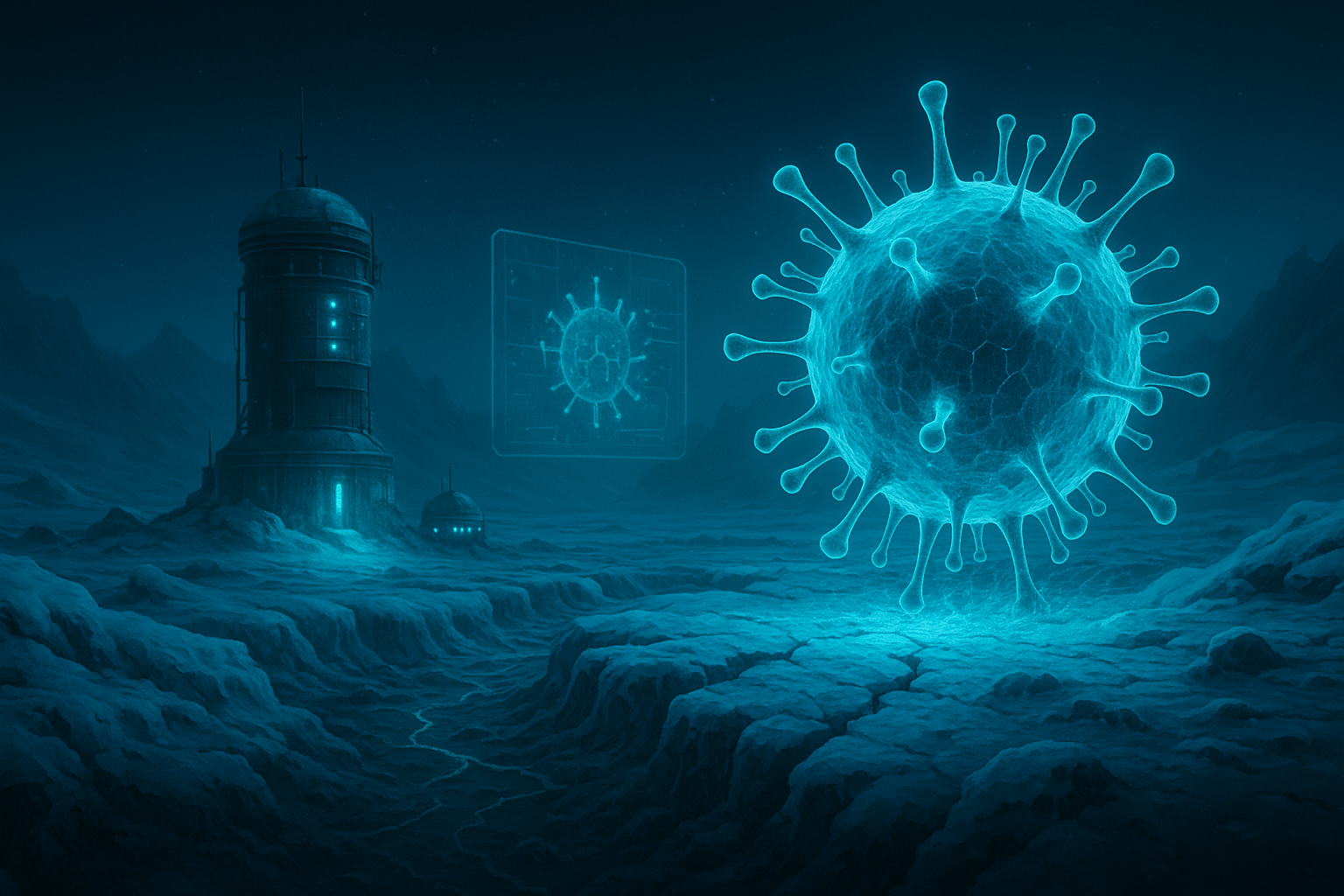
eneath the frozen soils of the Arctic lies more than ancient bones and mammoth tusks — it hides viruses older than civilization itself. As climate change thaws permafrost, scientists warn that some of these prehistoric microbes may wake up, creating a potential biological wildcard for our modern world.
Permafrost, which covers nearly a quarter of the Northern Hemisphere, has preserved organic material for tens of thousands of years. In recent years, researchers have revived bacteria and viruses from samples over 40,000 years old. Most are harmless — but not all.
In 2016, a Siberian anthrax outbreak linked to a thawed reindeer carcass hinted at what might be possible. Scientists have since discovered "giant viruses" in the permafrost — some still infectious to amoebae. Could viruses once infectious to ancient humans or animals be lurking, too?
While the probability of a global outbreak from permafrost pathogens remains low, it's not zero. As mining, oil exploration, and warming temperatures disturb more frozen ground, exposure risk increases. And unlike known viruses, these ancient strains are unstudied, with no existing immunity or treatment.
Scientists are responding with urgency. Genomic labs are sequencing permafrost samples to catalog microbial diversity. Biosafety protocols are in place, but critics warn that our understanding — and regulation — is still catching up.
The bigger lesson may be ecological: the past isn’t buried, it’s frozen — and thawing fast. As permafrost melts, it's not just carbon that’s being released into the atmosphere. It’s also biological time capsules, some of which we’re not yet ready to open.


