

The Neuroscience of Decision-Making in Economics
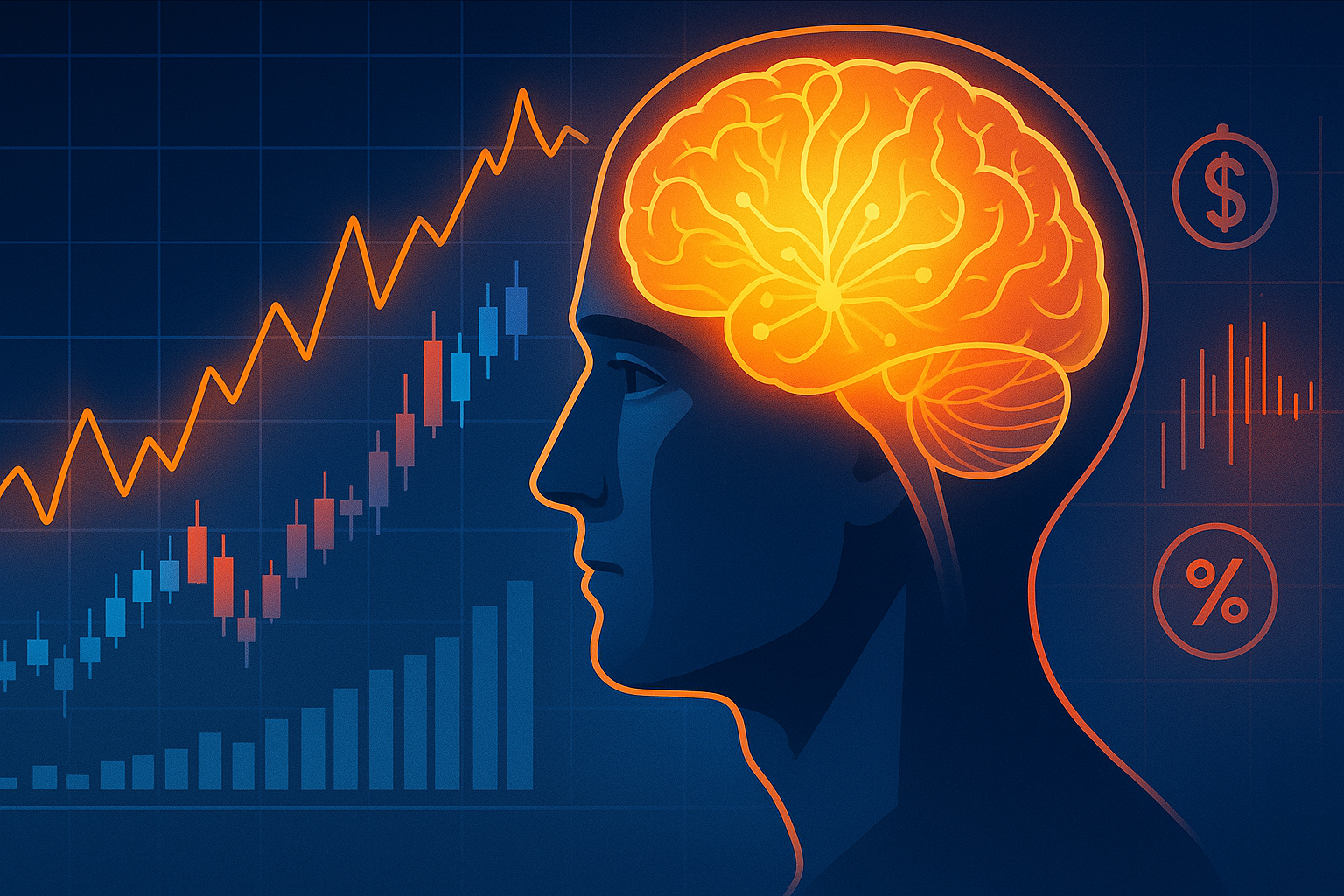
What drives us to invest, save, or splurge? While traditional economics assumed humans are rational actors, neuroscience paints a far more complex picture. Enter neuroeconomics — a field merging brain science and economics to explore how we really make decisions.
Using tools like fMRI and EEG, researchers can now observe which areas of the brain activate when people face economic choices. The prefrontal cortex is involved in evaluating risk and reward, while the amygdala lights up when emotions influence a decision. Even the insula, linked to disgust, plays a role — it often activates when people reject unfair offers, showing how moral judgment affects economic behavior.
Studies show that dopamine surges when anticipating a reward can skew choices toward short-term gains. Meanwhile, social factors like peer pressure or loss aversion can override logical reasoning entirely.
This has real-world implications. Marketers use insights from brain scans to craft more persuasive ads. Policymakers design "nudges" that align with our neurological tendencies — like auto-enrollment in savings plans — to improve financial outcomes.
Neuroeconomics also reveals why people behave irrationally during economic bubbles or crises. Our brains are wired for patterns and stories, often at the expense of statistical reasoning.
Ultimately, understanding the brain's role in decision-making challenges the myth of the perfectly rational consumer. It offers a more human, biologically grounded view of economic behavior — one that blends logic, emotion, and the unpredictable patterns of the mind.


