

Virtual Ethnography: Studying Culture in the Metaverse
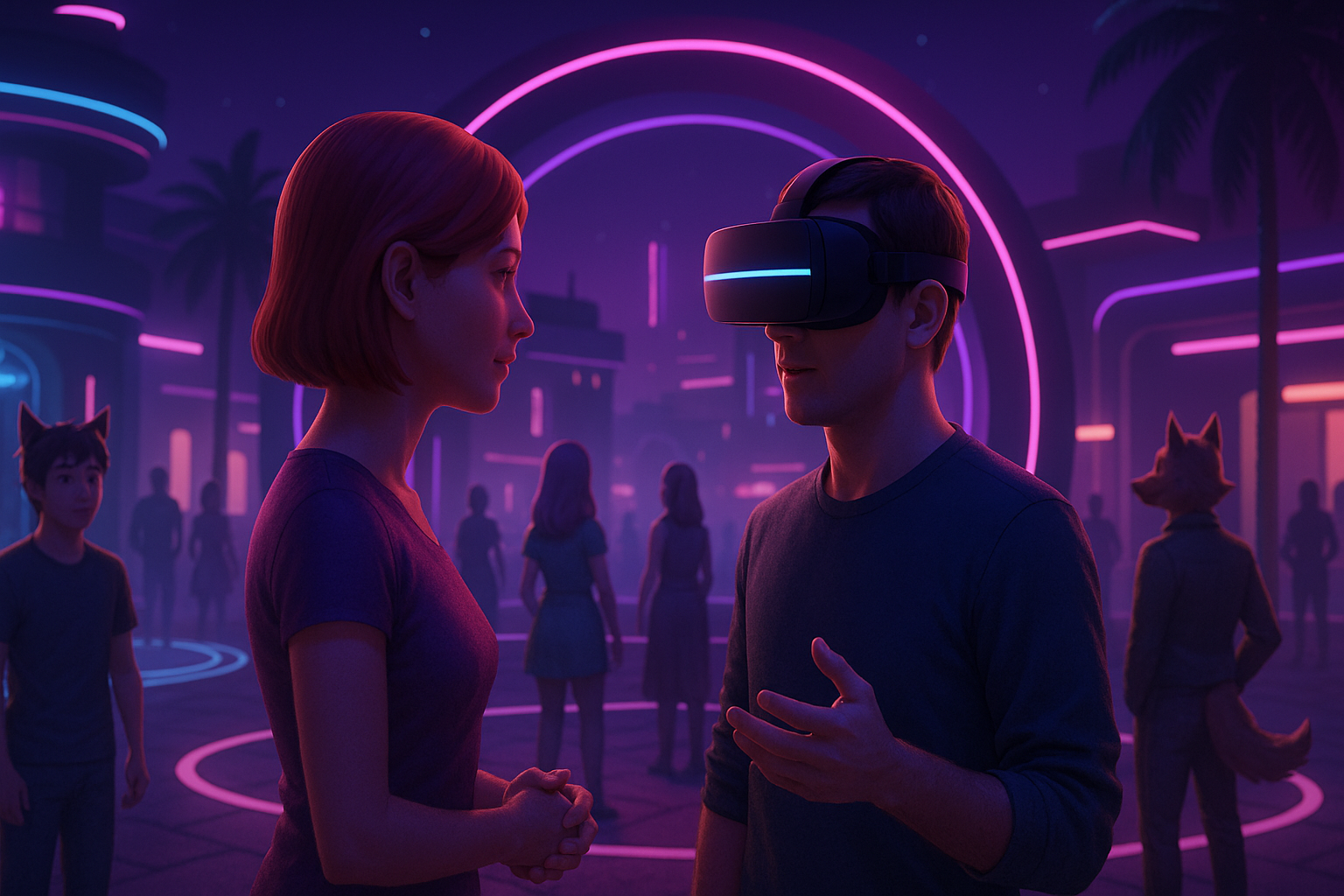
As the digital world expands, so does culture — and anthropologists are following it into the metaverse. Virtual ethnography, or digital anthropology, is the study of human behavior, rituals, and identity in online environments. From multiplayer games to virtual reality concerts, it’s a new frontier for understanding how people live, connect, and express themselves.
Unlike traditional fieldwork, where researchers immerse themselves in physical communities, virtual ethnographers embed themselves in digital spaces. They attend in-game weddings, participate in VR town halls, and observe avatars navigating complex social dynamics. These aren't mere simulations; they’re real communities with norms, hierarchies, and shared meaning.
Platforms like Second Life, Roblox, and Decentraland have already become cultural laboratories. Researchers track everything from virtual economies to digital fashion trends. Even grief rituals — like memorials for avatars — are being documented.
Virtual ethnography also raises urgent questions. How do we define identity in spaces where race, gender, and even species can be fluid? How do digital rituals affect real-world behavior? And what ethical challenges arise when studying people in pseudonymous or anonymous environments?
As the metaverse becomes more immersive and monetized, virtual culture becomes not just a reflection of society, but a space that actively shapes it. Whether studying NFT art galleries or political activism in VR, ethnographers are no longer just watching culture evolve — they’re watching it be coded.
In the age of the metaverse, culture doesn’t stop at the screen. It thrives inside it.


