

Ultrafast Lasers and the Attosecond Frontier
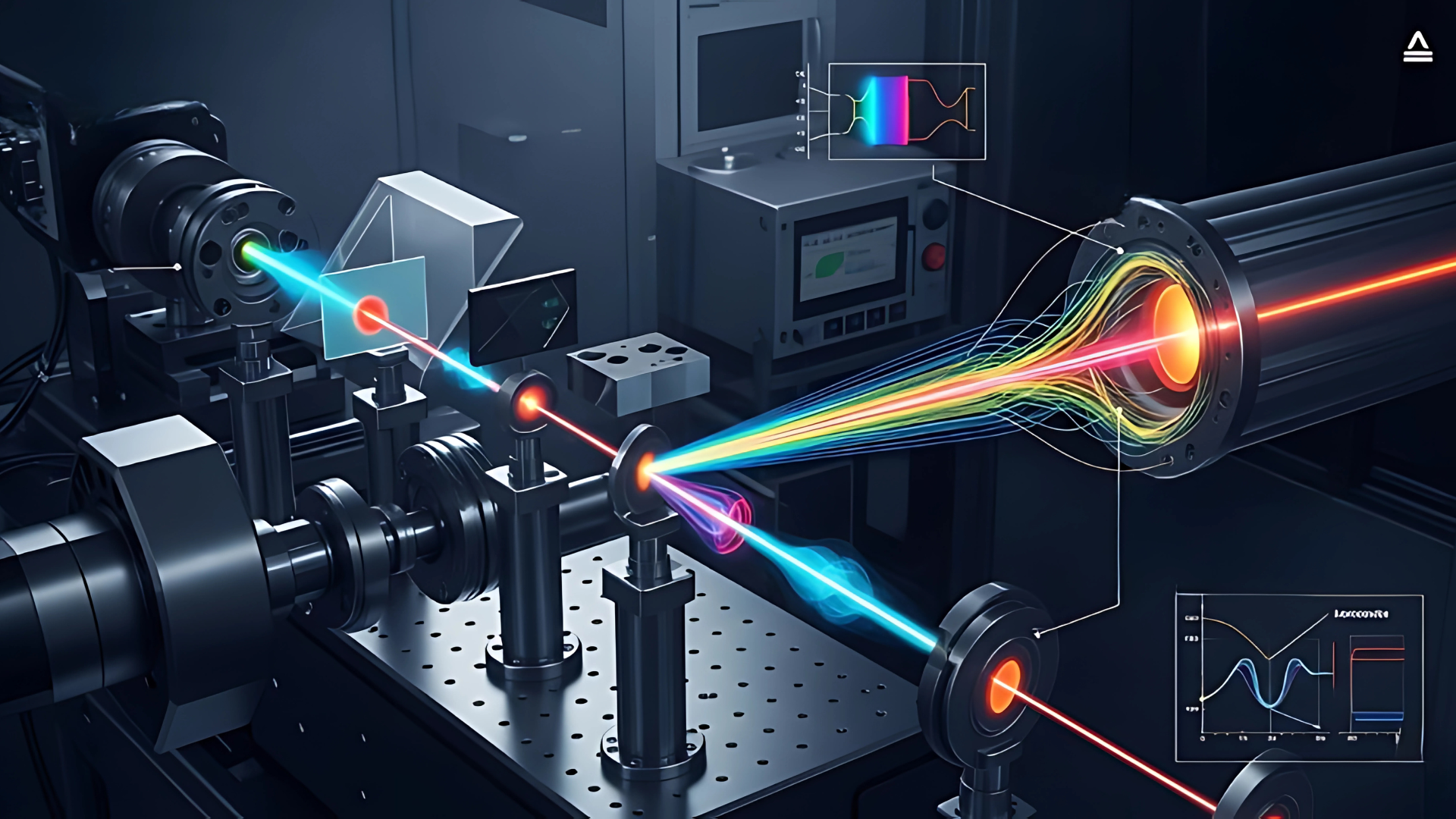
In the realm of ultrafast physics, attosecond lasers have become one of the most groundbreaking innovations of recent years. An attosecond is one quintillionth of a second (10^-18), a timescale so brief that it allows scientists to observe the motion of electrons within atoms. The ability to generate and control attosecond pulses represents a leap forward in understanding atomic and molecular processes.
Ultrafast lasers work by generating light pulses that last for femtoseconds to attoseconds, enabling time-resolved measurements of ultrafast phenomena. These lasers have applications in chemistry, material science, and even biology—anywhere electrons and atomic structures play a pivotal role. For example, attosecond spectroscopy can capture “movies” of electron motion, helping scientists understand fundamental interactions like ionization and bonding.
The development of these lasers was a major scientific achievement, earning researchers like Anne L’Huillier and Pierre Agostini significant acclaim. Their contributions laid the groundwork for a new kind of microscopy, where the microscope is time itself. Attosecond science is already being used to develop faster electronics, improve photovoltaic materials, and explore quantum phenomena in real-time.
This advancement has also spurred educational interest in photonics, quantum optics, and high-speed electronics. Universities are integrating these technologies into research labs and advanced degree programs, preparing the next generation of scientists for careers in ultrafast science. For aspiring physicists, working with attosecond lasers is a thrilling frontier—where time truly is of the essence.


