

Urban Cooling Through Passive Building Design
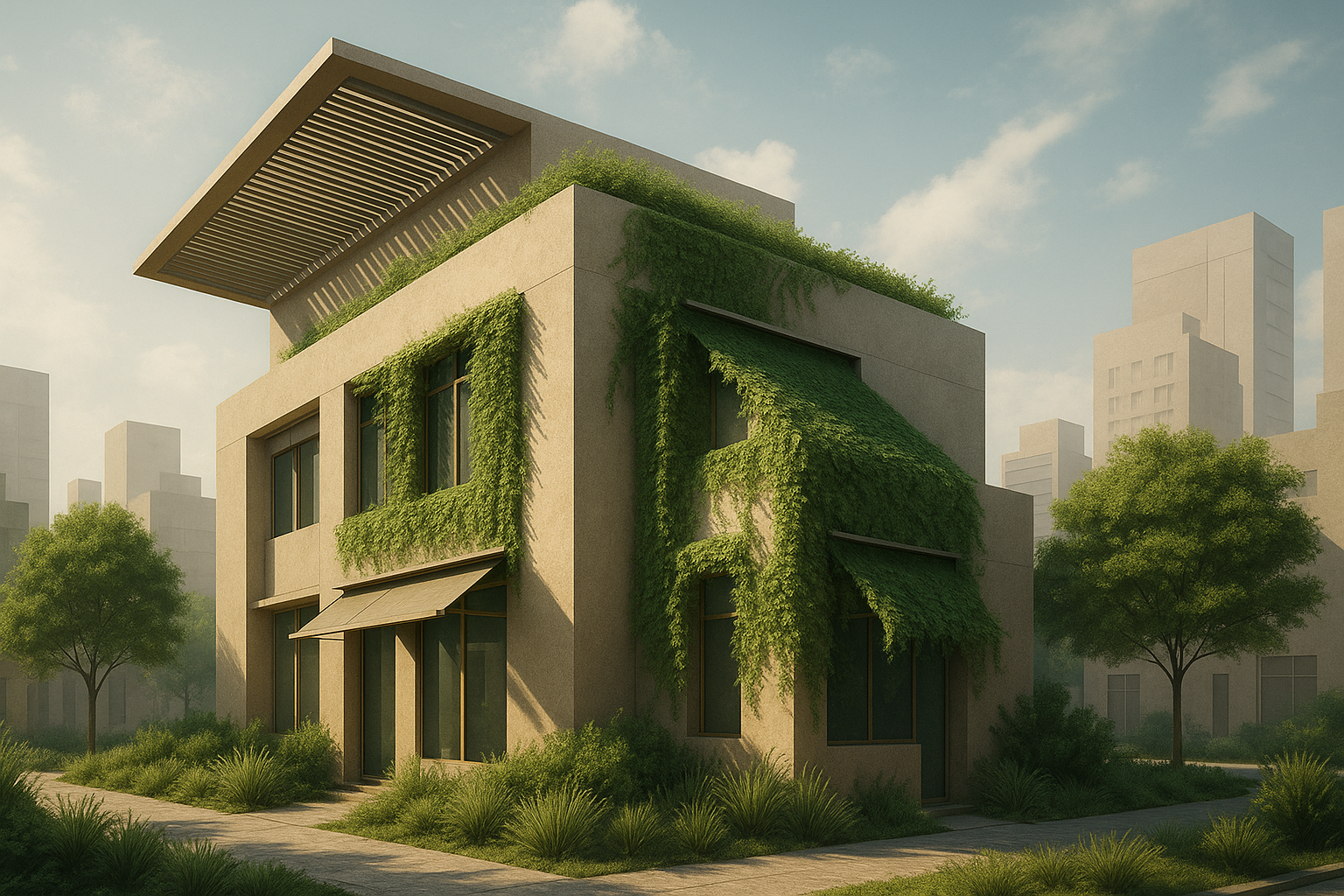
Cities are heating up — fast. With concrete jungles absorbing sunlight and reflecting heat, urban areas often experience the heat island effect, making them several degrees warmer than surrounding regions. The solution? Not more air conditioners, but passive building design.
Passive design uses natural elements — like sun, wind, and thermal mass — to regulate a building’s temperature without relying on energy-hungry systems. Think thick, insulated walls, cross-ventilation, shaded windows, and rooftops that reflect rather than absorb sunlight.
In hot climates, cool roofs, green facades, and strategically placed vegetation can drastically lower indoor temperatures. Light-colored surfaces reflect heat; thermal mass in walls stores and slowly releases energy; and operable windows let buildings "breathe."
Modern architects are re-discovering ancient techniques. From the wind towers of Iran to the courtyard homes of India and North Africa, passive cooling has long kept people comfortable — long before electric fans and AC units.
What’s new today is the integration of smart materials and AI-driven climate modeling. Dynamic shades, phase-change materials, and automated airflow systems are blending tradition with technology to push passive design into the 21st century.
Not only does this reduce energy bills, but it also lowers urban carbon emissions. As global temperatures rise and energy demand spikes, cities must rethink how they cool down.
Passive design proves that sustainability isn’t just about gadgets — it’s about smart, holistic thinking. In the cities of the future, architecture itself will be our first line of defense against the heat.


